


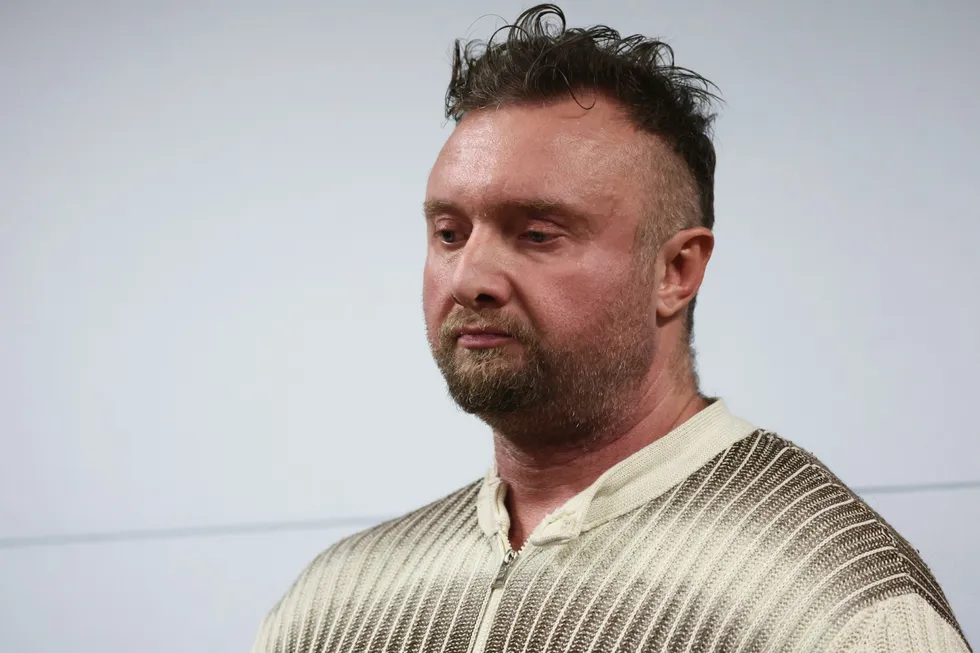
Russia The Death of Andrei Kotov: A Tragic Case of State Repression
In late December 2024, Andrei Kotov, a 48-year-old Russian entrepreneur and the director of the travel agency “Men Travel,” was found dead in a Moscow pre-trial detention center. He had been arrested in November 2024 on charges related to organizing tours for LGBTQ+ individuals, accused of promoting “LGBT propaganda” in violation of Russian law. Authorities initially reported his death as a suicide, but human rights groups and supporters have raised concerns about the circumstances surrounding his demise. Despite his death, Russian authorities have decided to continue prosecuting his case posthumously.
1. Background: Arrest and Charges
Kotov was arrested on November 30, 2024, and charged with participating in and organizing the activities of an “extremist community.” The authorities alleged that his travel agency, Men Travel, organized trips that involved “LGBT propaganda.” Kotov denied the charges, stating that his company focused solely on tourism. He claimed that during his detention, he was tortured with electric shocks to extract testimony. Kotov was remanded in custody on December 2 and placed in solitary confinement almost immediately. The detention center reportedly refused to accept packages with his daily medications.
2. Death in Custody
On December 29, 2024, Kotov was found dead in his cell. Authorities claimed that he had committed suicide. However, human rights organizations and journalists have questioned this narrative. Gulagu.net, a human rights project, reported that Kotov had been subjected to sexual violence, placed in a lower-status prisoner category, and extorted for money. The project alleged that guards intentionally created conditions to pressure Kotov, spreading rumors among prisoners about his sexual orientation and his involvement in organizing LGBTQ+ tours. These claims have not been independently verified.
Journalist Alex Moor, a friend of Kotov, described his death as a political “murder,” speculating that Kotov either died due to torture or was deliberately killed under Kremlin orders.
3. Posthumous Prosecution
Despite his death, Russian authorities have decided to continue prosecuting Kotov’s case. His lawyer, Leysan Mannapova, confirmed that the investigation had decided not to close the case after Kotov’s death, as there had been no request from Kotov’s relatives to do so. The authorities plan to transfer the case to court, effectively prosecuting him posthumously.
This decision has raised concerns about the extent of state repression and the treatment of LGBTQ+ individuals in Russia. It also highlights the use of legal mechanisms to continue targeting individuals even after their death, sending a chilling message to others who might consider engaging in activities perceived as promoting LGBTQ+ rights.

4. Broader Implications
Kotov’s case is part of a broader pattern of increasing state repression against LGBTQ+ individuals in Russia. In 2023, Russia’s Supreme Court labeled the international LGBTQ+ movement as extremist, effectively criminalizing any pro-queer expression. Since then, there have been numerous reports of arrests, detentions, and prosecutions of individuals and organizations associated with LGBTQ+ rights.
The continuation of Kotov’s prosecution after his death underscores the lengths to which the state is willing to go to suppress LGBTQ+ advocacy and expression. It also raises questions about the fairness and transparency of the Russian legal system, particularly concerning politically sensitive cases.
5. Conclusion
The death of Andrei Kotov is a tragic reminder of the risks faced by individuals advocating for LGBTQ+ rights in repressive regimes. His case highlights the dangers of state-sanctioned discrimination and the lengths to which authorities will go to silence dissent. As the international community continues to monitor the situation, it is crucial to support human rights organizations and activists working to protect the rights and dignity of LGBTQ+ individuals in Russia and beyond.
Recommended
- The Death of Andrei Kotov: Russia When Scientific Passion Met State Repression
- Russia Andrei Kotov: A Bright Life Destroyed by Russia’s Anti-LGBTQ+ Policies
- Russia’s Anti-Gay Crackdown: From Travel Agency Tragedy to National Repression
- Guy-to-Guy Relationship is Not Allowed in Russia
- Gay Rights in Russia: Why Same-Sex Relationships Aren’t Allowed in Russia
- Wikipedia Fined for LGBT “Propaganda” in Russia
More Recommended
Best LGBTQ+ Friendly Countries in Latin America
Best LGBTQ+ Friendly Countries in Latin America – Latin America is a vibrant and diverse [...]
Why Are Gay Pride Parades Celebrated Worldwide?
Why Are Gay Pride Parades Celebrated Worldwide? – Pride parades are a universal celebration of [...]
Gay Cruising Spots in Las Vegas, NV
Gay Cruising Spots in Las Vegas: Community, Nightlife, and Legal Venues Las Vegas is one [...]
Why Do Gays Face Higher Rates of Depression?
Why Do Gays Face Higher Rates of Depression? – Why Do Gays Face Higher Rates [...]
Does DEI include disability?
Does DEI include disability? – In today’s diverse society, the question “Does DEI include disability?” [...]
Why Is There Still Discrimination Against Gays?
Why Is There Still Discrimination Against Gays? – The LGBTQ+ community has long been a [...]
200 LGBTQ Quotes to Share During Pride Month
200 LGBTQ Quotes to Share During Pride Month Pride Month serves as an important time [...]
Marketing Equality: The Success Stories of LGBTQ Entrepreneurs
Marketing Equality: The Success Stories of LGBTQ Entrepreneurs – Marketing Equality: The Success Stories of [...]
The Paradox of Honesty: Why the Truth Can Be Cruel, and Kindness Can Be a Lie
The Paradox of Honesty: Why the Truth Can Be Cruel, and Kindness Can Be a [...]